October 1, 2026
A commercial facility depends on plumbing systems that support daily operations, employee needs, customers, equipment, sanitation, and building services. Unlike a small residential system, commercial plumbing can involve larger supply lines, multiple fixtures, specialized equipment, drainage networks, and complex piping configurations. A professional assessment can help facility managers understand how these components work together and where improvements may be appropriate. A commercial plumber can evaluate existing infrastructure and identify opportunities to improve reliability, capacity, and operational efficiency. Taking a complete view of the plumbing system also helps managers coordinate improvements with the facility’s broader operational requirements. This can be especially useful for facilities with older infrastructure or multiple departments sharing common plumbing systems. Clear planning helps managers understand which upgrades are immediate priorities and which improvements can be incorporated into longer-term facility plans.
Assess Existing Pipes and Fixtures
A plumbing system can develop problems gradually as pipes, valves, fixtures, and connections experience regular use. Corrosion, mineral buildup, worn components, leaks, and outdated fixtures may affect performance or increase the likelihood of service interruptions. A professional inspection can identify conditions that may not be obvious during routine facility operations. It can also establish useful baseline information for future inspections, making it easier to track changes in system condition over time. A commercial plumber can evaluate visible components and determine whether repairs, replacements, or system upgrades should be considered. Reviewing the existing system provides useful information for prioritizing improvements according to the facility’s needs.
Improve Water Distribution Performance
Commercial properties may have multiple bathrooms, kitchens, utility areas, production spaces, or other locations that depend on consistent water delivery. Changes in occupancy, facility use, or equipment can place additional demands on the existing distribution system. Inadequate capacity or deteriorating piping can contribute to pressure fluctuations and inconsistent fixture performance. A plumbing professional can assess the distribution network and identify potential improvements that align with current and anticipated demand. Properly planned upgrades can help the facility maintain dependable water service across different areas.
Strengthen Drainage and Waste Systems
Drainage systems are essential for moving wastewater away from fixtures, equipment, and occupied areas. Commercial facilities may have extensive drainage networks serving numerous fixtures and specialized equipment, making proper flow particularly important. Recurring backups, slow drains, unpleasant odors, or standing water can indicate conditions that require professional evaluation. A commercial plumber can inspect drainage components and determine whether repairs, cleaning, replacement, or broader improvements are appropriate. Addressing drainage concerns promptly can help limit disruptions to normal facility operations.
Upgrade Fixtures for Facility Efficiency
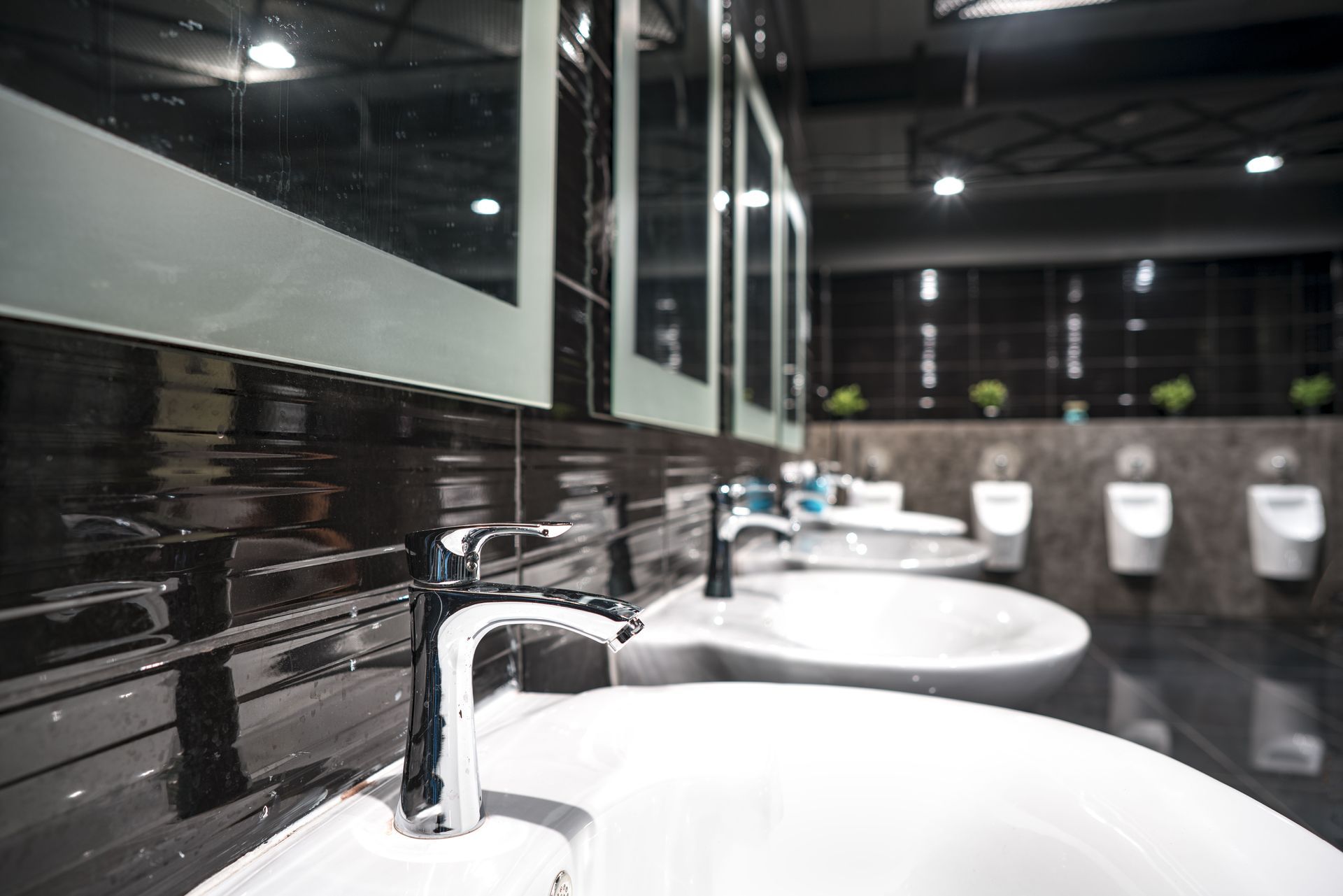
Commercial plumbing fixtures experience frequent use, making durability and efficient operation important considerations. Faucets, toilets, flush valves, sinks, and other fixtures can wear over time and may eventually require replacement. Updated fixtures may also offer operational features that better suit the facility’s current usage patterns. A professional can help facility managers compare options according to compatibility, expected use, and maintenance requirements. Fixture upgrades can be coordinated with broader renovation projects or completed as individual improvements when specific components reach the end of their useful service life.
Coordinate Plumbing With Building Systems
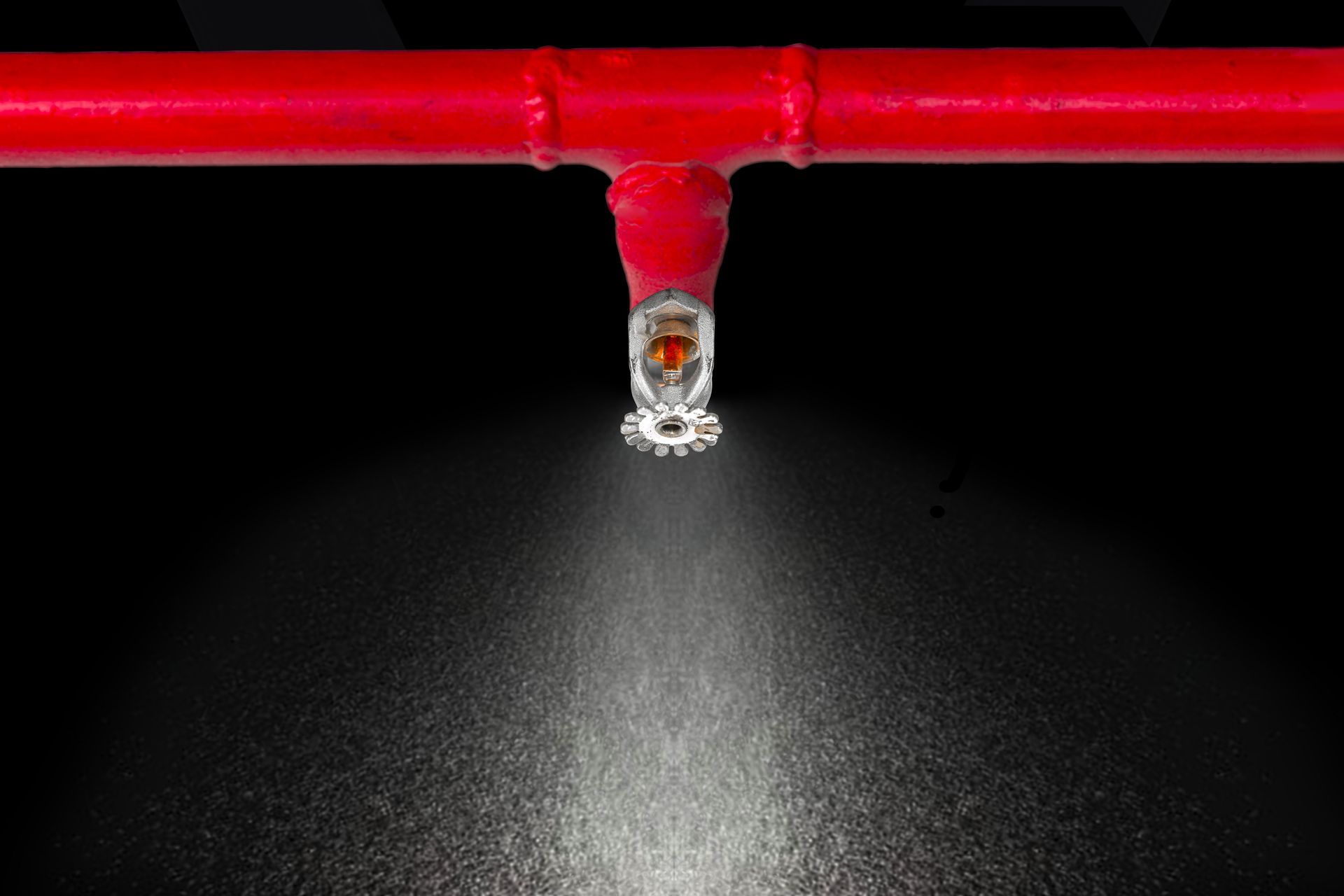
Plumbing does not operate independently from the rest of a commercial building. Water lines, drainage, heating equipment, fire protection systems, electrical infrastructure, walls, ceilings, and mechanical spaces can all intersect with plumbing work. Coordinating these systems is especially important when a facility is undergoing renovation, expansion, or equipment replacement. A commercial plumber can work within the broader project plan and help identify areas where plumbing modifications may affect other building components. Early coordination can reduce conflicts during construction and support a more organized project.
Plan Around Facility Operations
Commercial plumbing work can affect employees, customers, tenants, production schedules, and building access. Facility managers therefore need to consider how service or construction activities will fit into normal operations. Depending on the project, work may be scheduled during lower-occupancy periods or coordinated in phases to limit disruption. A commercial plumber can discuss project sequencing and help establish an approach that accounts for the facility’s operating requirements. Planning in advance can make it easier to communicate expected interruptions and coordinate access to affected areas.
Address Water Quality and Safety
Water quality is an important consideration for facilities that provide drinking water, food service, sanitation, healthcare-related services, or other activities involving regular water use. Plumbing materials, stagnant water, aging components, and other system conditions can affect water quality. Professional evaluation can help facility managers identify areas where testing, equipment upgrades, or system improvements may be appropriate. A commercial plumber can also help coordinate plumbing work with applicable building requirements and the operational needs of the property. Maintaining appropriate water service supports both facility function and occupant expectations.
Evaluate Heating and Hot Water Systems
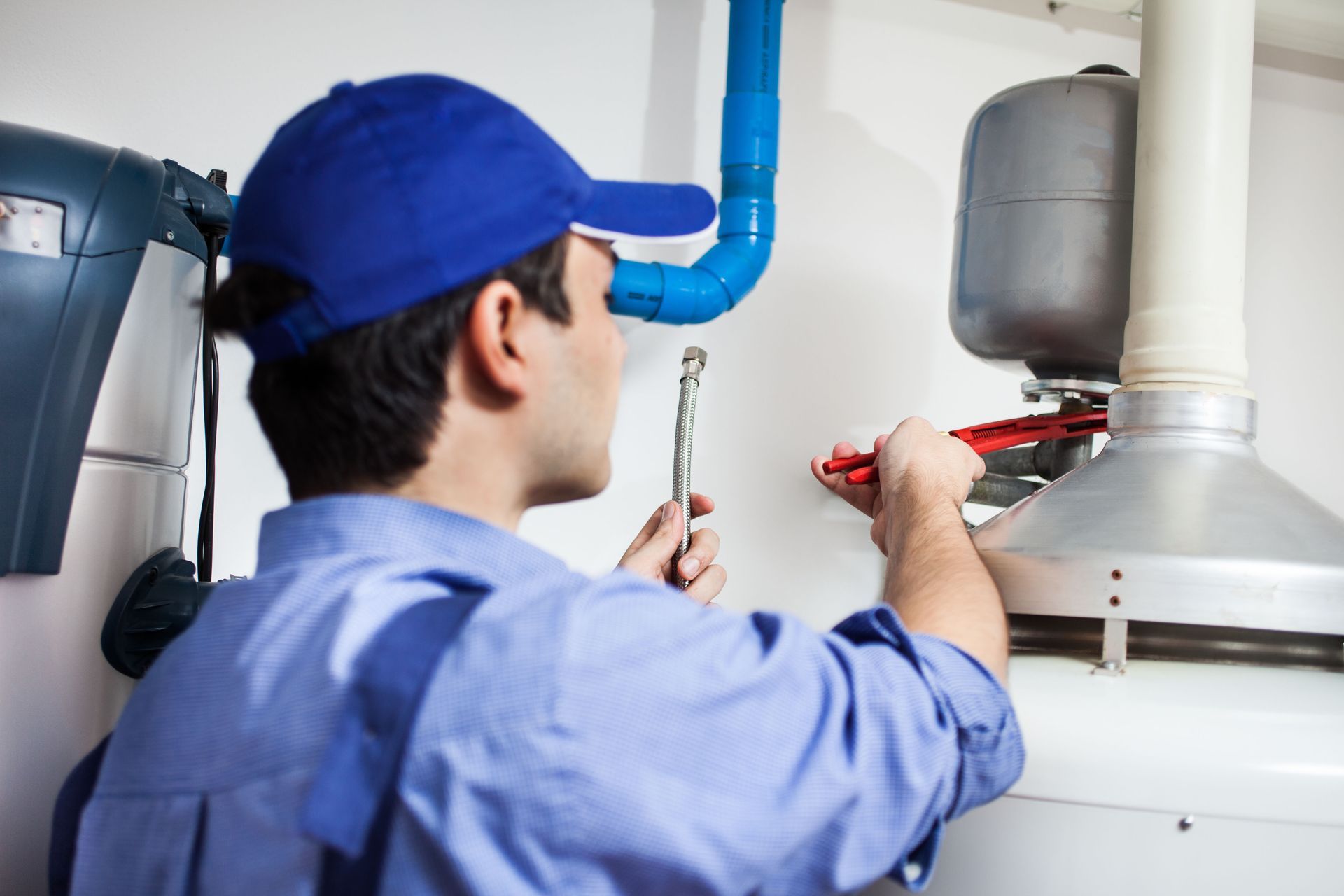
Many commercial facilities depend on reliable hot water for restrooms, kitchens, cleaning operations, production processes, or other services. Water heating equipment and distribution piping must be capable of supporting the property's demand without creating unnecessary operational problems. A professional can assess equipment connections, circulation, storage, and distribution requirements as part of a broader plumbing evaluation. A plumbing professional can also help identify aging components that may warrant replacement or further assessment. Planning these systems around actual facility usage can support more consistent service.
Prepare for Expansion and Future Demand
Facility needs can change as businesses grow, spaces are renovated, equipment is added, or occupancy levels increase. Plumbing infrastructure that meets current demand may not always provide sufficient capacity for future changes. Planning ahead gives facility managers an opportunity to consider future water supply, drainage, fixture, and equipment requirements before major renovations begin. A commercial plumber can evaluate proposed changes and identify plumbing considerations that should be incorporated into the project design. This forward-looking approach can help reduce the need for disruptive modifications later.
Maintain Commercial Plumbing Infrastructure
Ongoing professional maintenance can help facility managers monitor the condition of plumbing components and identify developing concerns. Regular inspections can provide opportunities to evaluate valves, piping, fixtures, drains, water heaters, and other equipment before a failure interrupts operations. According to IBISWorld, there are approximately 129,000 businesses in the U.S. plumbing industry, reflecting the broad scale of the professional plumbing sector. Working with an established service provider can give facility managers a consistent point of contact for inspections, repairs, and planned improvements. Maintenance records can also provide useful information when future upgrades or replacements are being considered.
Modernize Facilities With Professional Planning
Facility upgrades can involve several plumbing improvements at once, from replacing aging pipes and fixtures to improving drainage, water distribution, and hot water capacity. Combining related improvements can help managers consider how individual components affect the performance of the broader system. A professional assessment can establish priorities based on the building's condition, usage, and operational requirements. This makes it easier to organize projects around facility goals instead of addressing plumbing concerns only after failures occur. Thoughtful planning can also help managers coordinate plumbing improvements with scheduled renovations and other capital projects.
Condor Piping, Inc can help commercial property owners and facility managers evaluate plumbing systems and plan improvements around their operational needs. We can address plumbing infrastructure, water distribution, drainage, fixtures, and other commercial plumbing requirements with attention to the specific characteristics of each facility. Our team can help coordinate professional plumbing work with renovation plans, maintenance schedules, and changing building demands. If your facility needs a dedicated
commercial plumber, contact Condor Piping, Inc to discuss your current system and the improvements you are considering.